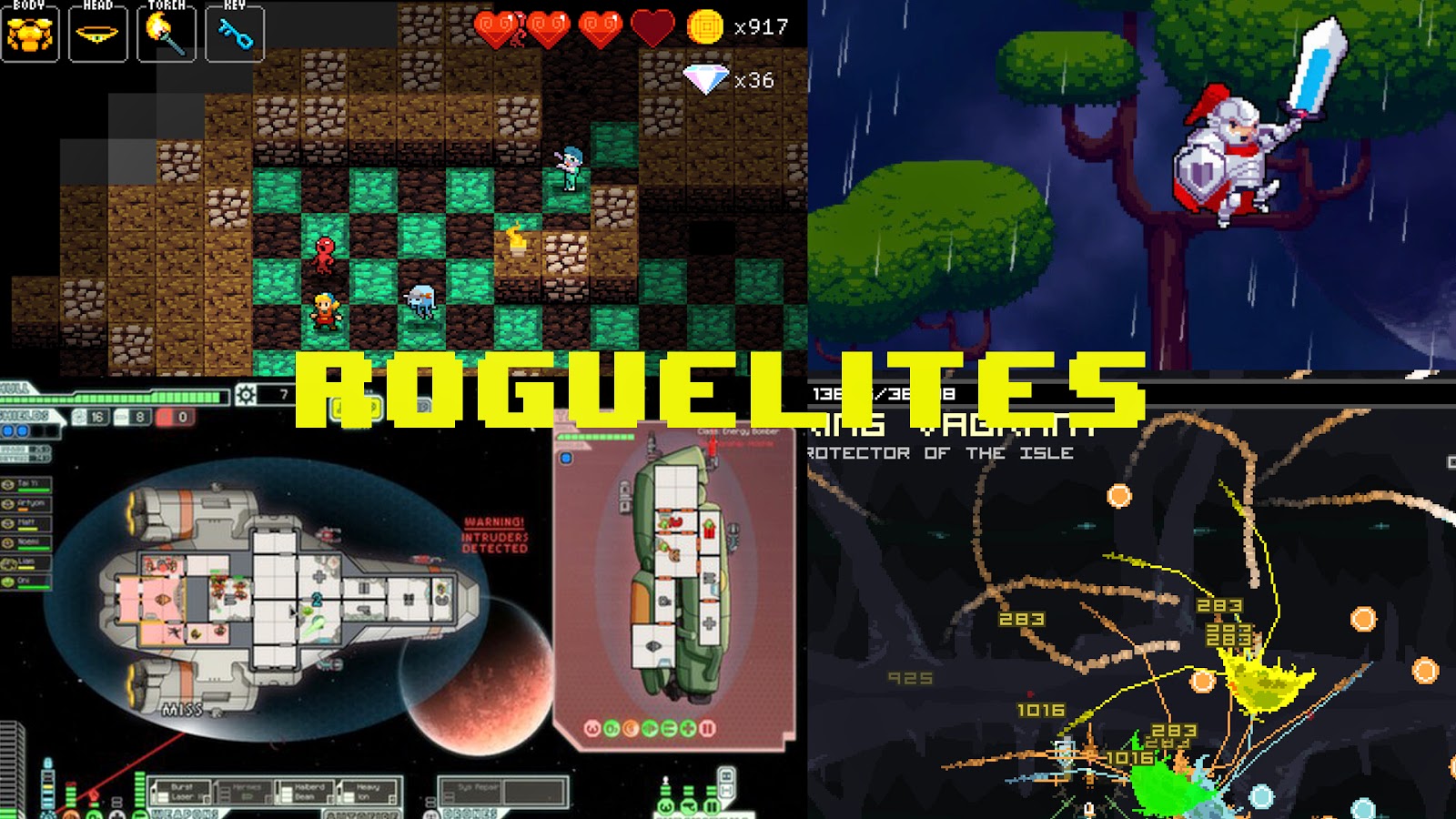
In the beginning, there was Rogue, written circa 1980 by a couple of UC students messing around on the school's mainframe after hours. Rogue was not the first dungeon-crawling video game to be inspired by D&D, but it became an instant classic in large part because of its core innovation:
One of the things we wanted to do was create a game we could enjoy playing ourselves. Most of the existing adventure-type games had "canned" adventures -- they were exactly the same every time you played, and of course the programmers had to invent all of the puzzles, and therefore would always know how to beat the game. We decided that with Rogue, the program itself should "build the dungeon", giving you a new adventure every time you played, and making it possible for even the creators to be surprised by the game.
-- Glenn R. Wichman, Rogue developerRogue soon spawned Hack, which spawned Nethack (still being maintained after almost thirty years), as well as a host of other games that are to this day called "roguelikes". The key features inherited from Rogue that mark a game as "roguelike" (defined at the International Roguelike Development Conference) are:
* Randomly generated tile-based levels
* Randomly generated items with unknown properties
* Turn-based movement and combat
* Permadeath
